

 Speed of Service
 Easy Systems
 Product Designers & Developers
 Car Park Protection





 Industrial Safety



 Pedestrian Barriers


 Matting, Ramps & Tactiles
 Signage & Safety




 Urban Furniture
What Is a Heavy-Duty Bollard, and When Should I Use One?
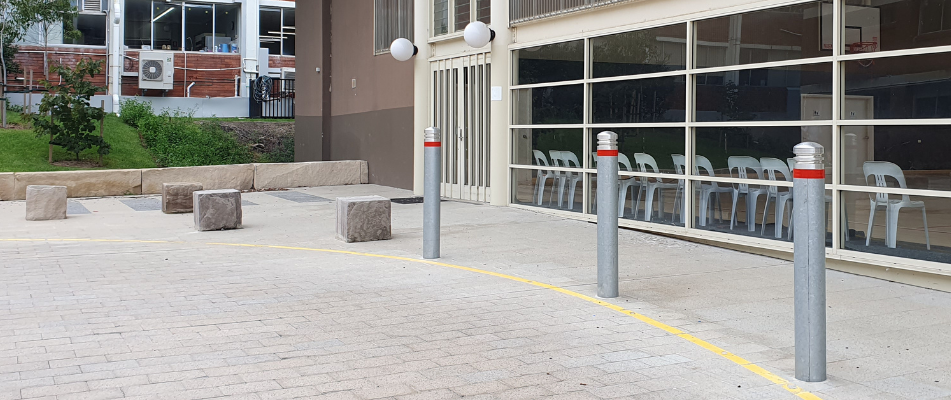
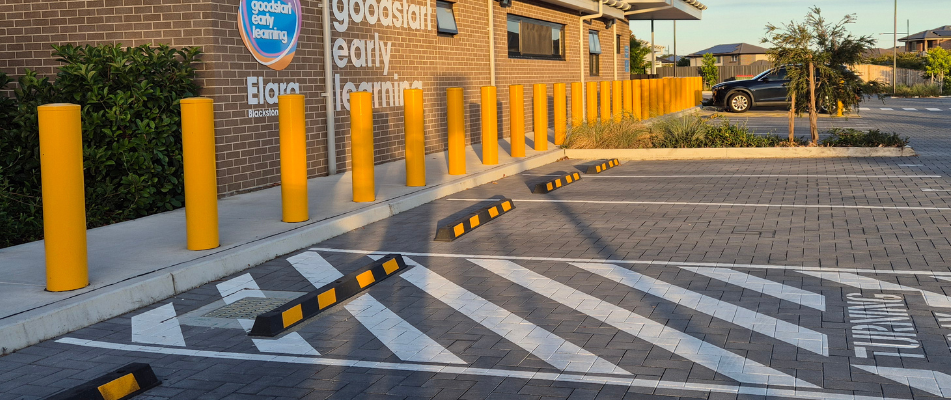
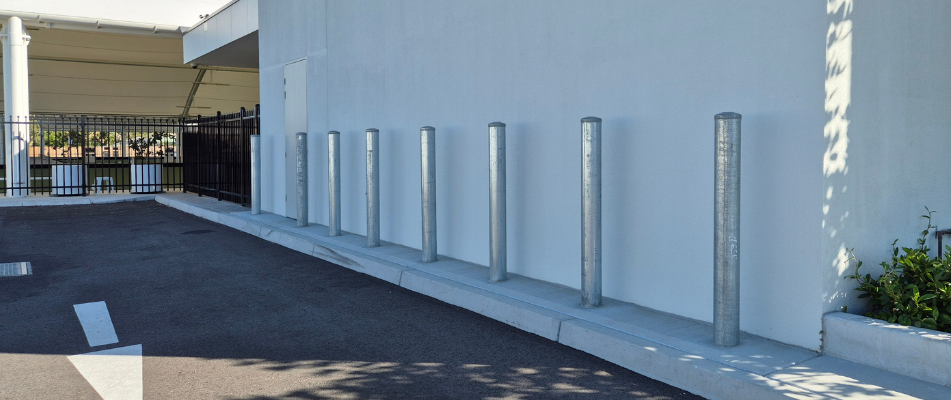
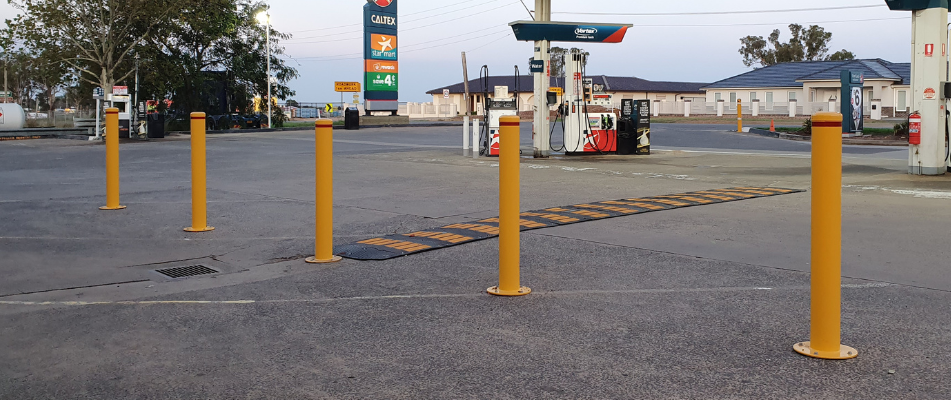
One question we are often asked is: What makes a bollard heavy-duty, and when should I choose one instead of a standard-duty bollard?
The answer is not always as clear as you might expect. There is no single industry-wide definition that determines whether a general commercial bollard can be called standard-duty or heavy-duty. These terms are often used differently by different suppliers.
This means two bollards described as heavy-duty may not have the same steel thickness or provide the same level of strength. When comparing products, it is important to look beyond the product name and check the actual specifications.
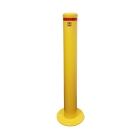
At Area Safe, the key difference between our standard-duty and heavy-duty bollards is the wall thickness. Our standard-duty bollards have a 3 mm steel wall, while our heavy-duty bollards have a thicker 5 mm steel wall. The heavy-duty range also features a larger-diameter and thicker base plate, creating a more substantial connection between the bollard and ground surface.
What makes a bollard heavy-duty?
For general commercial bollards, “heavy-duty” usually describes a product that has been manufactured with more substantial materials than a standard alternative.
However, because there is no universal classification, the term itself does not tell you exactly how thick or strong a bollard is.
Some products marketed as heavy-duty may have a 3 mm steel wall. Area Safe describes its 3 mm bollards as standard-duty and offers a separate 5 mm range for customers who need a more substantial level of protection. Our heavy-duty bollards also have a larger diameter base plate that is up to 10mm thick, providing a larger and more substantial mounting point.
Together, the thicker steel wall and heavier base plate create a stronger overall bollard for more demanding commercial and industrial applications.
Is there an Australian Standard defining a heavy-duty bollard?
There is no general Australian Standard that states a commercial bollard must have a particular wall thickness or base plate size before it can be described as heavy-duty.
This is why product descriptions can vary between suppliers. A bollard called heavy-duty by one company may be similar in construction to a product that another supplier describes as standard-duty.
Rather than relying only on the name, check specifications such as: the listed wall thickness, bollard diameter, base plate diameter, base plate thickness. This gives you a much clearer indication of what you are actually buying.
It is also important to understand that heavy-duty does not automatically mean crash rated. A 5 mm heavy-duty bollard with a more substantial base plate is a stronger commercial bollard, but it should not be assumed to stop a vehicle of a particular size travelling at a particular speed unless it has been specifically engineered and tested for that purpose.
When is a standard-duty bollard suitable?
A 3 mm standard-duty bollard may be suitable where the bollard is mainly being used to define an area, improve visibility or discourage vehicles from entering a space. This may include general car park applications, property boundaries and lower-risk commercial areas where vehicle speeds are low and significant impacts are not expected.
For example, Area Safe supplied 3mm thick standard-duty bollards to MasterPet as part of a broader warehouse safety upgrade. The bollards were used to provide a highly visible physical boundary in a controlled, low speed environment, so a heavy-duty bollard was not required for this project.
When should I consider a heavy-duty bollard?
A 5 mm heavy-duty bollard is worth considering where there is a greater chance of accidental vehicle contact, or where the consequences of damage would be more serious.
This may include busy car parks, warehouses, loading areas and industrial facilities where vehicles move frequently around buildings, equipment and pedestrian areas.
Heavy-duty bollards may also be appropriate for protecting shopfronts, building entrances, roller doors, electrical equipment, EV charging stations, machinery and other valuable assets.
The larger or more frequently used the vehicles are, the more important it becomes to consider a stronger bollard. A site used by forklifts, delivery vehicles or trucks will generally present a different level of risk from a quiet car park used only by passenger vehicles.
The potential consequences should also be considered. Even where vehicle speeds are low, a stronger bollard may be worthwhile if damage could injure a pedestrian, affect essential equipment or interrupt business operations.
Need help choosing the right bollard?
The term heavy-duty can mean different things from one supplier to another, so always look beyond the product name and check the actual steel wall and base plate thickness.
Area Safe offers both 3 mm standard-duty bollards and 5 mm heavy-duty bollards, giving you the choice between an economical general-purpose option and a more substantial product with a heavier base plate for higher-risk applications.
Contact the Area Safe team at www.areasafe.com.au to discuss how the bollard will be used, and we can help you choose the most suitable option for your site.
