
 Speed of Service
 Easy Systems
 Product Designers & Developers
 Car Park Protection



 Industrial Safety



 Pedestrian Barriers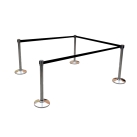

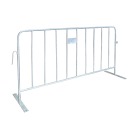

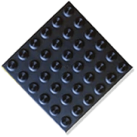 Matting, Ramps & Tactiles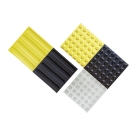
 Signage & Safety


 Urban Furniture
The Cost of One Forklift Mistake (And How to Prevent It)
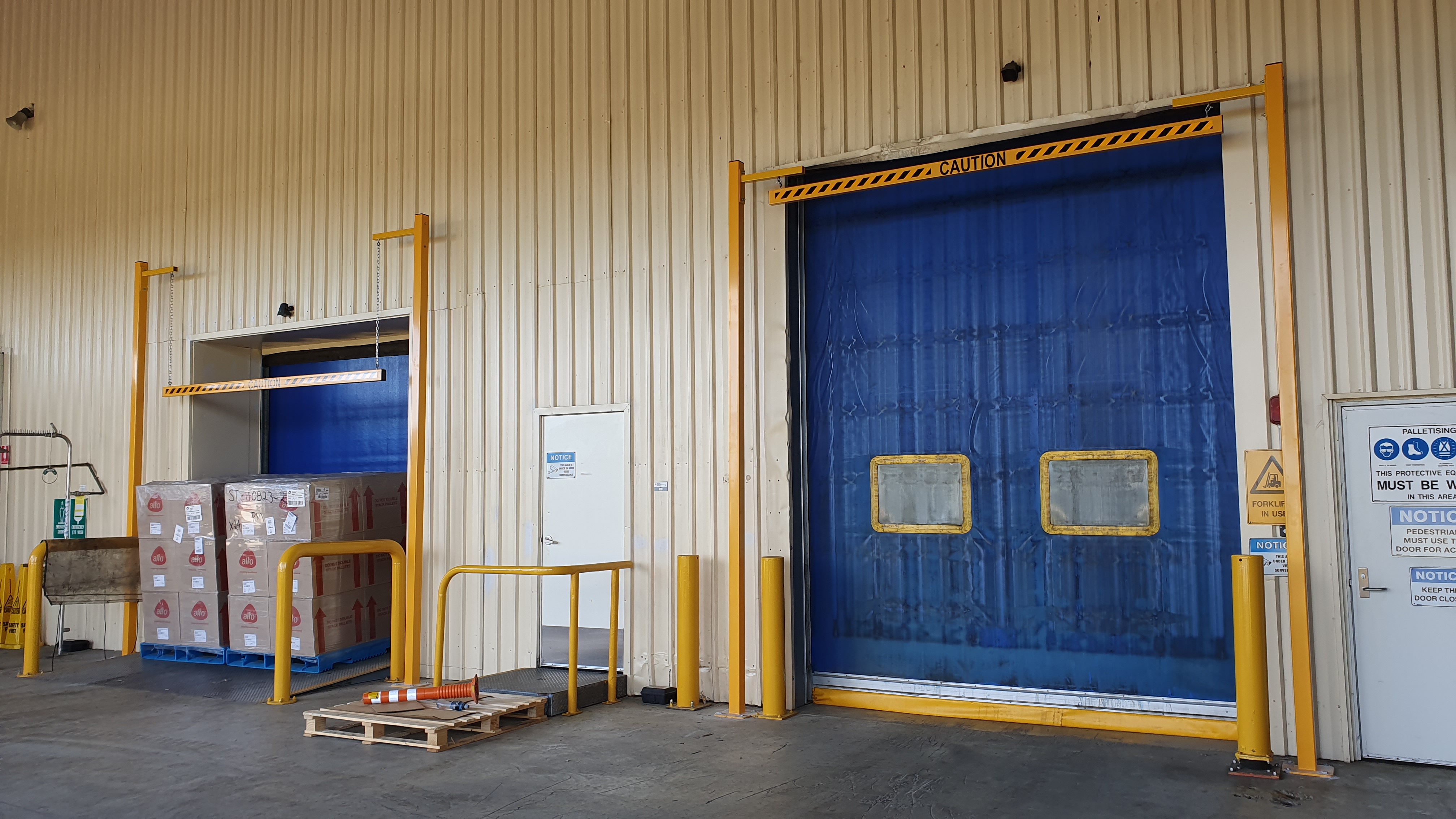
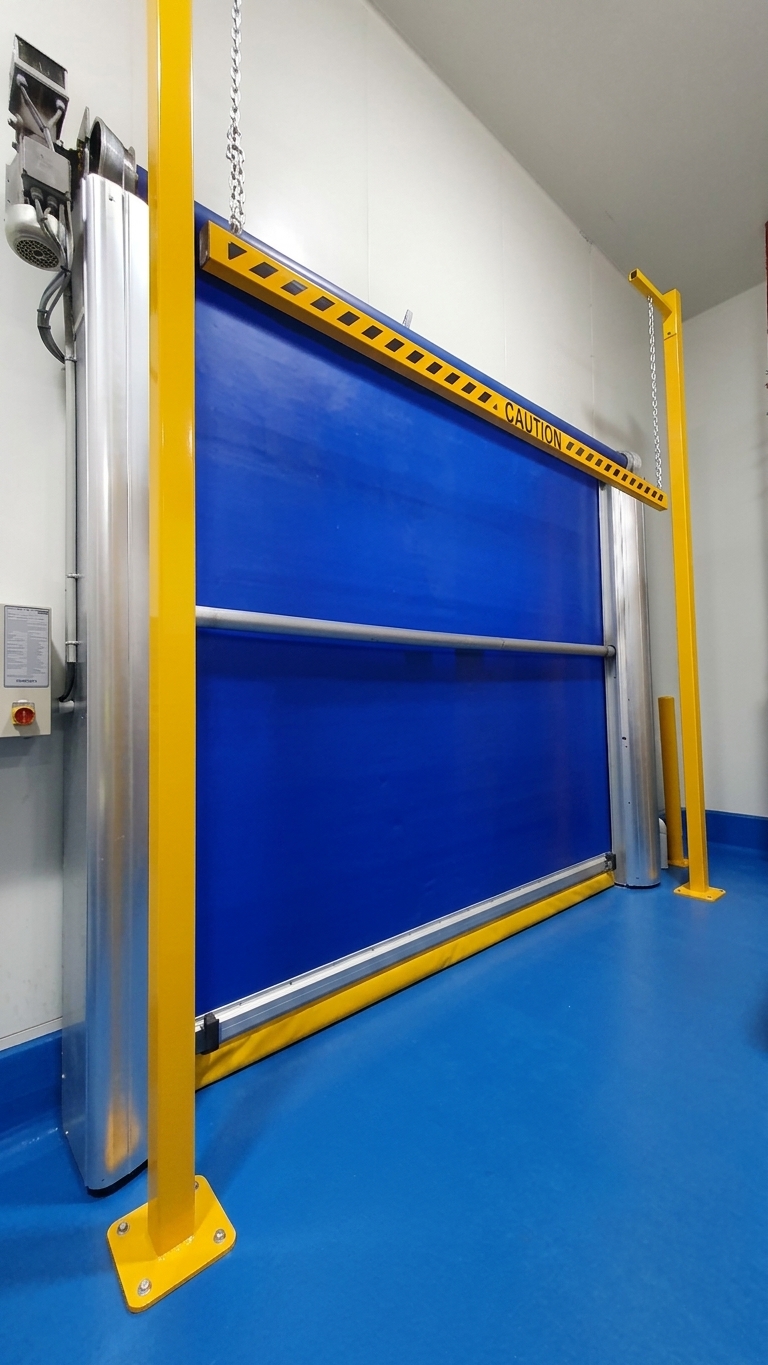
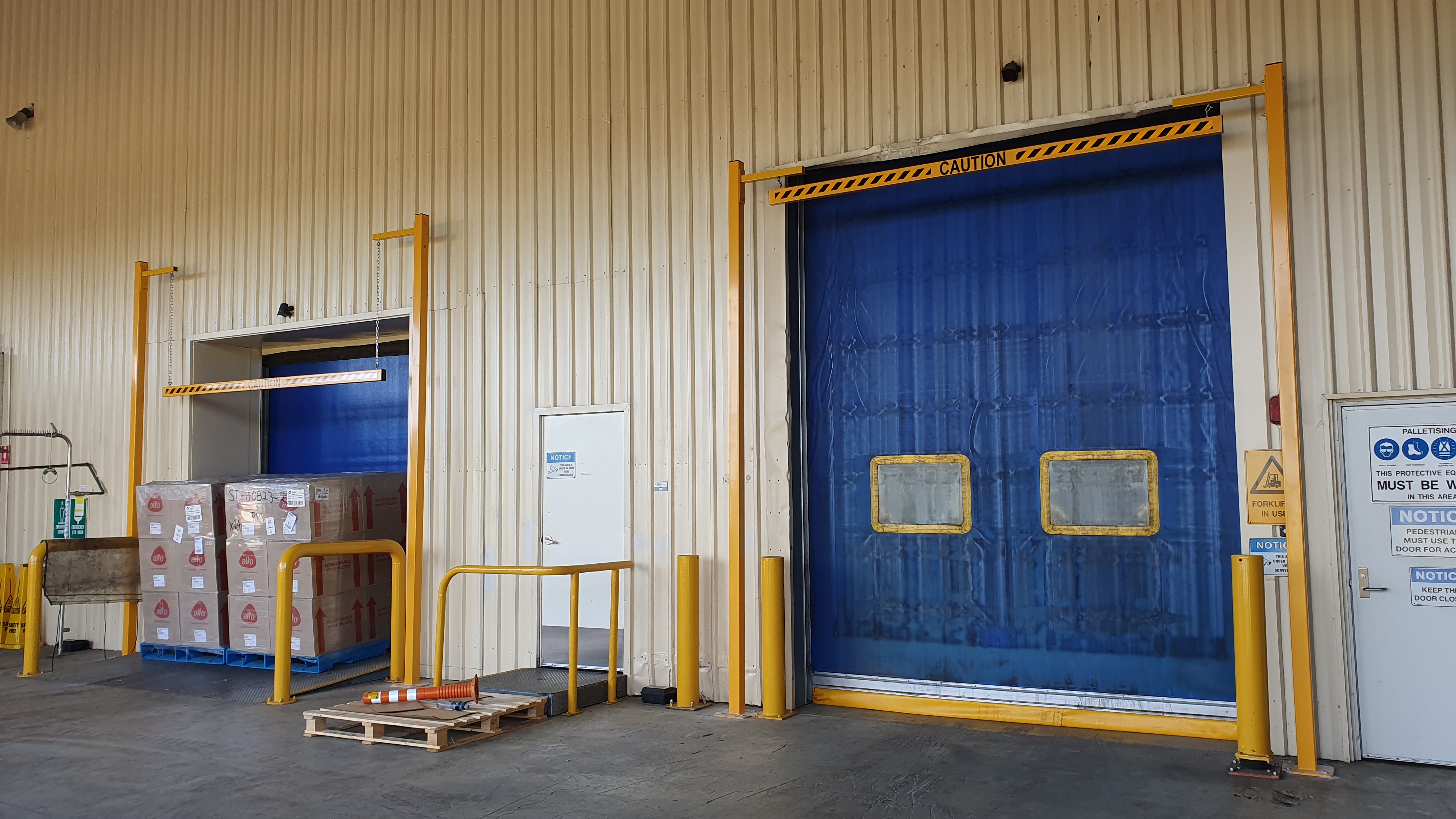
A single wrong turn in a warehouse can become an extremely expensive mistake. In one recent example shared with the Area Safe team, a new factory worker accidentally drove a tall forklift beneath a low mezzanine. The collision damaged the mezzanine and the forklift and came close to activating the warehouse sprinkler system.
Fortunately, nobody was injured. However, there were no height bars, clearance signs or barriers warning the operator not to enter the area. The existing workers simply knew that the taller forklift could not travel beneath the mezzanine.
The incident is an important reminder that worker knowledge alone is not an effective safety control.
Why “everyone knows” is not enough
Long-term employees often become familiar with the restrictions and unwritten rules of a workplace. They know which forklift fits through each opening, where overhead services are located and which routes should be avoided.
New employees, contractors and temporary workers do not have that same knowledge. Even experienced workers can make mistakes when they are distracted, tired, carrying an unusual load or operating different equipment.
Training and site inductions remain important, but critical restrictions should also be clearly communicated through the physical design of the workplace.
A low mezzanine, doorway or overhead sprinkler system should not rely on every operator remembering the available clearance. The risk should be obvious before the forklift reaches it.
Install a height restriction bar before the hazard
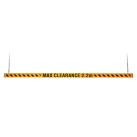
A height restriction bar provides an early warning that a vehicle or forklift is too tall to proceed.
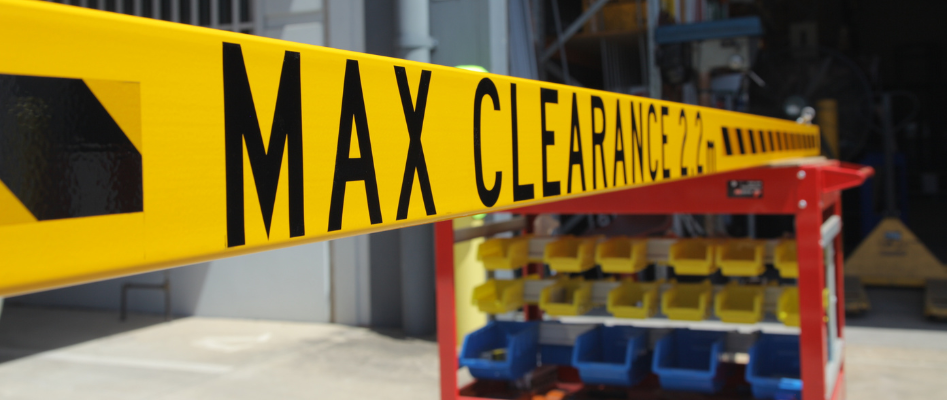
Installed before a low mezzanine or other overhead obstruction, the bar clearly displays the maximum permitted height. If an oversized forklift approaches, it contacts the suspended bar before reaching the structure itself, giving the operator an opportunity to stop.
Area Safe height restriction bars are available in high-visibility finishes and feature reflective chevrons and large clearance text. They can also be customised for different site requirements.
The bar should be positioned far enough in advance of the hazard for an operator to stop safely. Its height should be based on the lowest part of the structure or service being protected, including sprinkler pipes, lighting, ductwork and other overhead fixtures.
For a recent project for Unilever Minto, Area Safe supplied height restriction bars as part of a broader safety upgrade that also included warehouse barriers, bollards and impact-protection products. The combination helped improve visibility, direct traffic and reduce the risk of accidental collisions around the facility.
Make clearance signage impossible to miss
Clear height restriction signage should reinforce the message provided by the height bar. Signs can be installed at the entrance to the restricted route and immediately before the mezzanine. They should display the available clearance clearly and be positioned where forklift operators can easily see them.
Where a site operates forklifts of different heights, additional signage can identify which equipment is permitted in the area. Directional signs may also guide taller forklifts towards an alternative route. Signage is relatively inexpensive, but it should not be the only control where a collision could cause serious damage. Combining signs with a physical height bar makes the restriction much harder to overlook.
Use barriers and gates to control access
If forklifts do not need to travel beneath the mezzanine, the most effective option may be to physically prevent access.
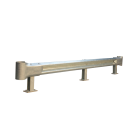
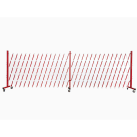
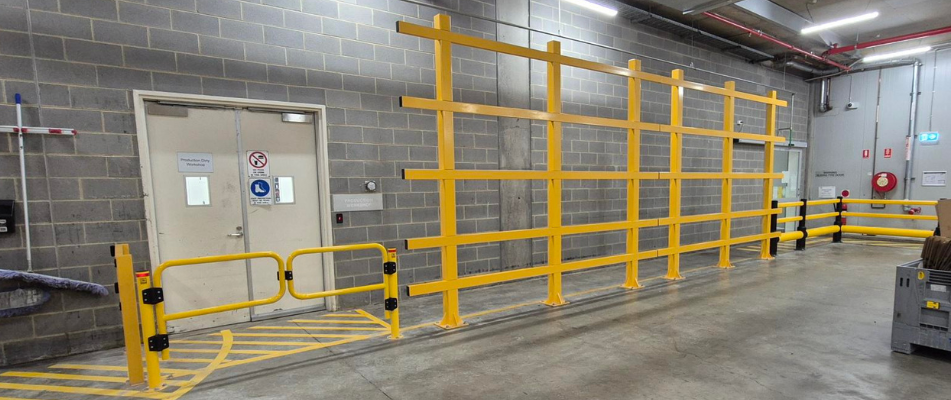
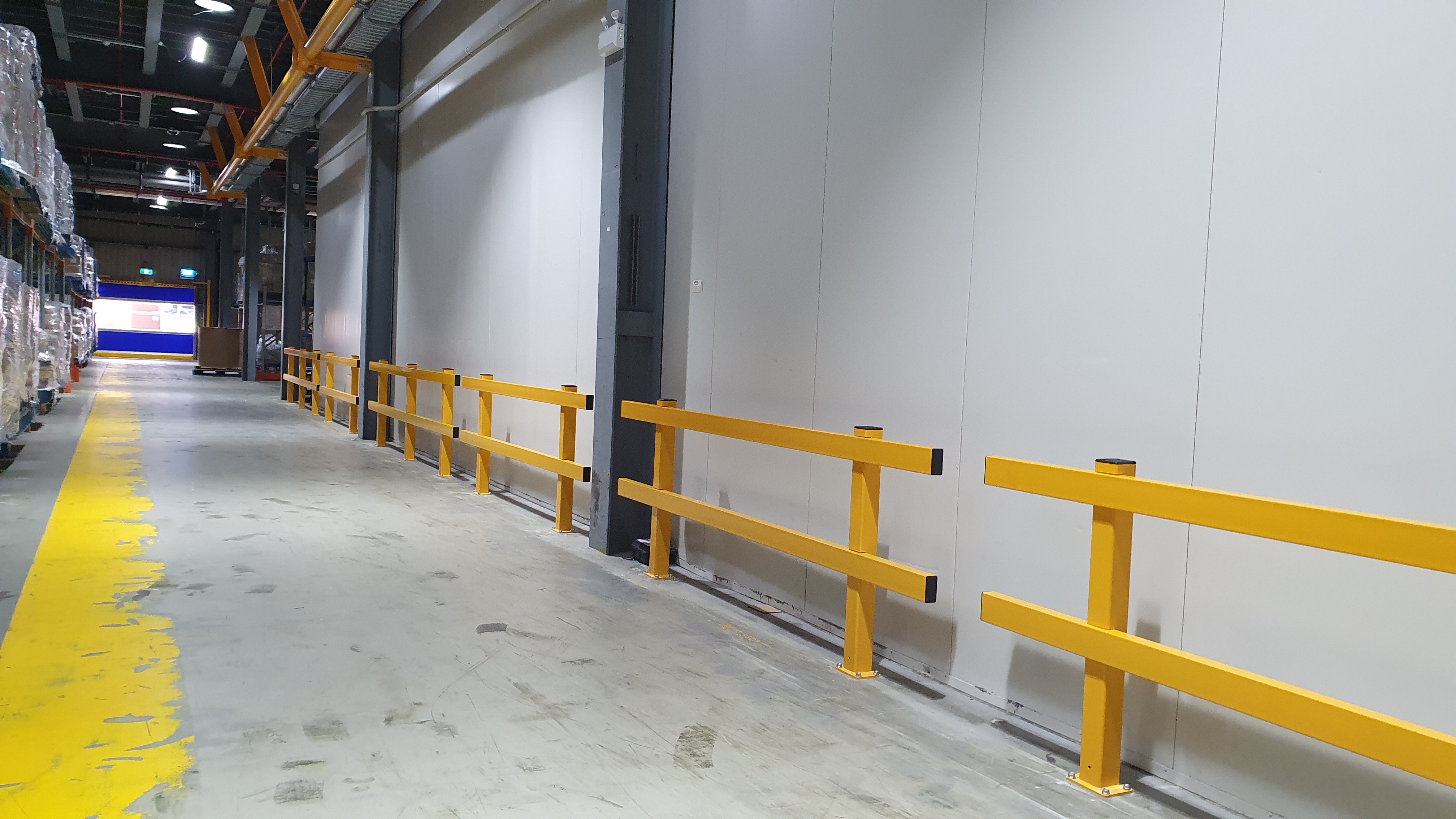
Warehouse safety barriers can help define vehicle routes and protect mezzanine supports, walls, sprinkler infrastructure and other vulnerable assets from impact.
Where occasional access is required, an industrial swing gate or boom gate can create a controlled entry point. Requiring the operator to stop and open the gate provides a deliberate pause before entering the restricted area. A warning sign or clearance information can also be installed near the gate.
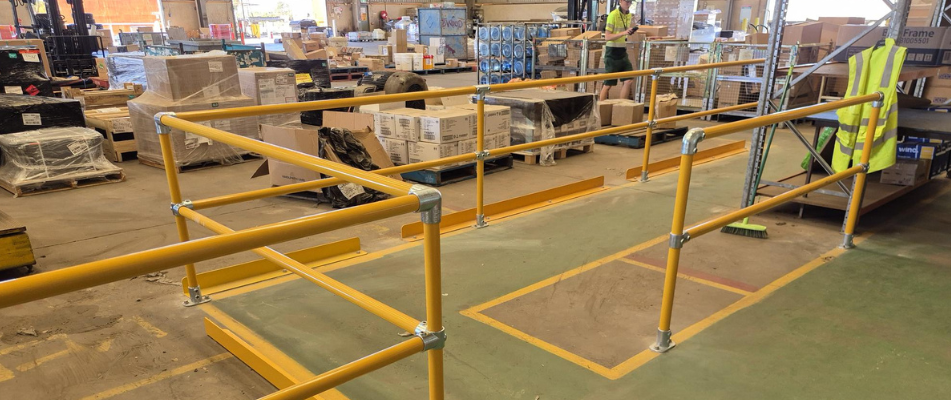
Area Safe used this layered approach at the NSW Rural Fire Service State Logistics Centre in Marsden Park. Warehouse barriers, pedestrian rail, safety gates and a heavy-duty knuckle boom gate were used to create controlled access points, manage interactions between forklifts and pedestrians, and protect structural columns and other infrastructure.
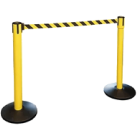
The appropriate barrier will depend on the vehicle type, impact risk and purpose. Pedestrian railing, for example, can define walkways but is not a substitute for impact-rated protection where forklifts could collide with a structure.
Review the whole forklift route
Protecting the mezzanine is important, but the incident should also prompt a review of the wider warehouse traffic-management system.
A warehouse review should consider:
- Whether each forklift can safely travel along every designated route
- Low mezzanines, doorways and other overhead restrictions
- Exposed columns, racks, walls and building services
- Pedestrian crossings and shared areas
- Changes to equipment, loads or warehouse layouts
- What new and temporary workers need to know before operating equipment
Controls should also be reviewed whenever a different forklift is introduced. A route that is safe for one machine may not accommodate another with a taller mast, cabin, attachment or load.
Prevention is cheaper than the damage
A quality height bar, warning signs, barriers and access gate require an upfront investment. However, that cost can be minor compared with repairing a damaged mezzanine and forklift.
The recent factory incident could easily have resulted in much more than damaged equipment. A worker may have been on or beneath the mezzanine, or the collision could have affected critical fire-protection infrastructure.
The lesson is simple: if a forklift must not enter an area, make that restriction clear and difficult to ignore. Do not rely on experienced workers passing the message on. Install physical controls that protect the site regardless of who is operating the forklift that day.
Contact Area Safe via www.areasafe.com.au to discuss height restriction bars, clearance signage, warehouse barriers and industrial gates for low-clearance areas within your facility.
