
 Speed of Service
 Easy Systems
 Product Designers & Developers
 Car Park Protection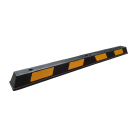





 Industrial Safety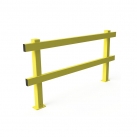



 Pedestrian Barriers


 Matting, Ramps & Tactiles
 Signage & Safety



 Urban Furniture
10 Low-Cost Workplace Safety Improvements Under $5,000
Improving workplace safety does not always require a major capital project.
Many businesses are delaying relocations, extensions and large site upgrades, but still need practical ways to reduce risk within their existing facilities. In many cases, smaller improvements can address common hazards such as blind corners, vehicle movements, slippery stairs and poorly defined pedestrian areas.
Here are 10 workplace safety improvements that can generally be completed for less than $5,000, depending on the size of the area, product quantities and installation requirements.
1. Protect vulnerable corners from forklift impacts
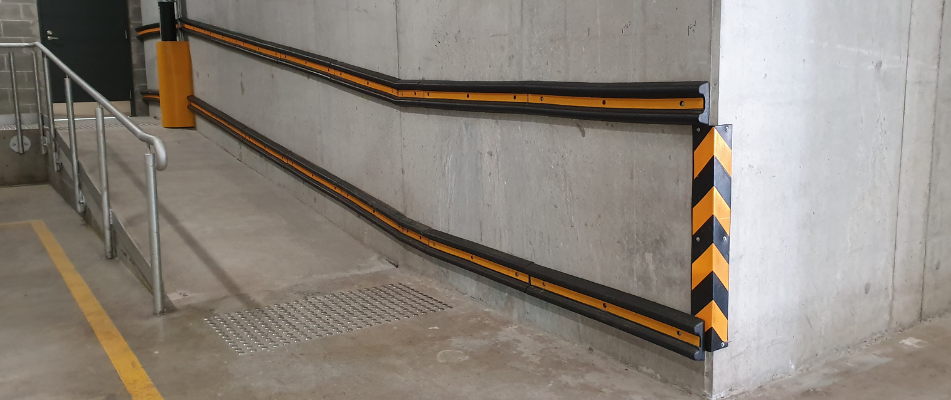
Corners, walls and columns in warehouses are regularly exposed to forklifts, pallet jacks and other mobile equipment.
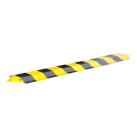
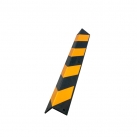
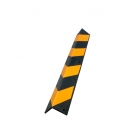
Installing corner guards can provide a visible layer of protection around vulnerable areas and help reduce repeated damage to walls and building finishes.
They are particularly useful around loading areas, warehouse aisles, doorways and other tight spaces where impact risk is higher.
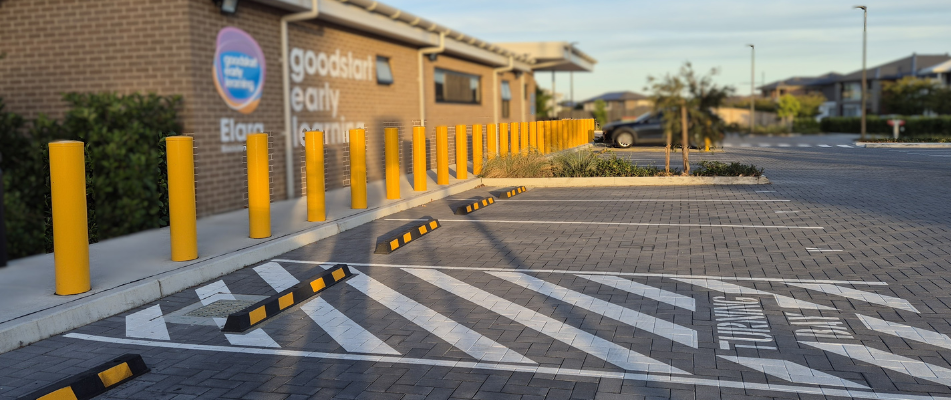
2. Prevent vehicles from overrunning parking spaces
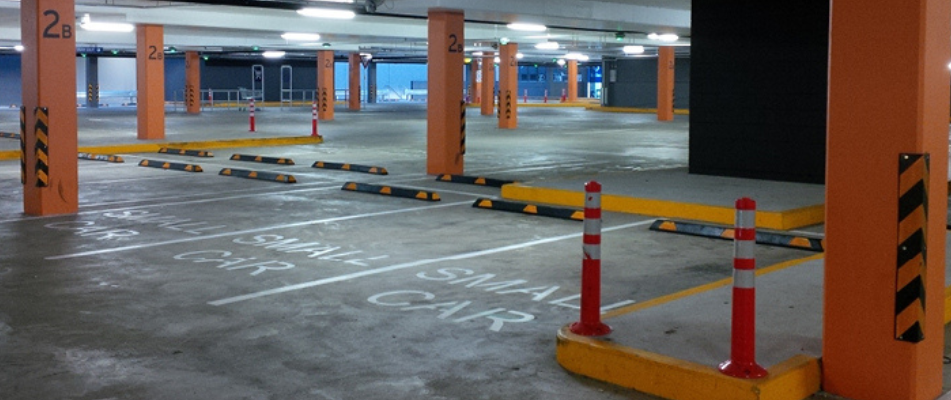
Vehicles that travel too far into a parking bay can damage walls, landscaping, services or nearby pedestrian areas.
Wheel stops provide drivers with a clear stopping point and can be added to selected bays without redesigning the entire car park. They can be especially useful near building entrances, pedestrian paths, EV chargers and loading zones.
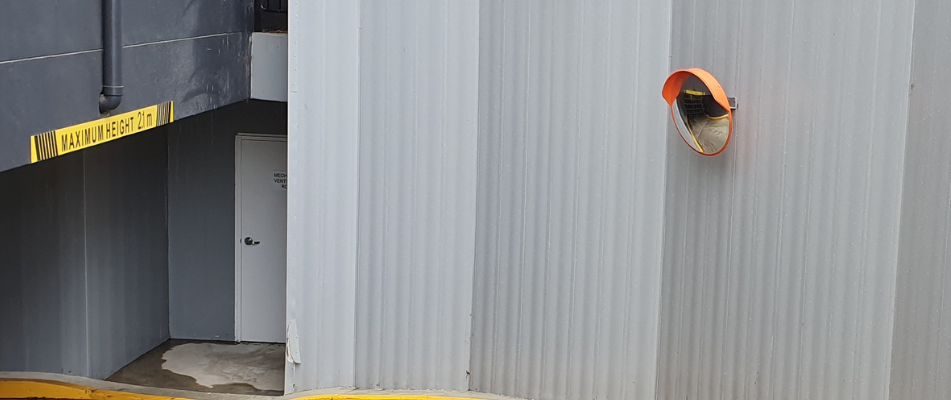
3. Improve visibility at blind corners
Poor visibility around warehouse aisles, driveways and car park intersections increases the risk of collisions.
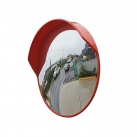
Convex safety mirrors provide a wider view around blind corners and are useful near loading areas, racking aisles, crossings and shared vehicle routes.
The most suitable mirror will depend on the viewing distance, location and whether it will be installed indoors or outdoors.
4. Separate pedestrians from moving vehicles
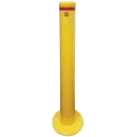
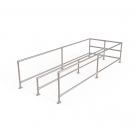
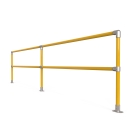
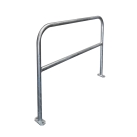
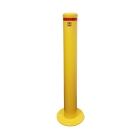
For lower-risk areas, U-bar bollards, pedestrian railing and other pedestrian barriers can help define walkways, protect entrances and discourage unsafe shortcuts.
A targeted installation around one crossing, doorway or busy section may make a meaningful improvement without reconfiguring the entire facility.
Where there is a higher forklift or vehicle impact risk, a stronger physical barrier may be required.
At MasterPet, Area Safe supplied recessed barriers, self-closing gates and bollards to help define pedestrian walkways, separate people from forklifts and protect vulnerable infrastructure. While this was a broader warehouse project, the same approach can be applied gradually by starting with one high-risk area.
5. Protect roller doors from accidental impact
Roller-door tracks and frames are often vulnerable because they sit close to loading areas and vehicle routes.
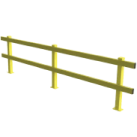
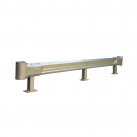
Installing bollards or guardrails beside the opening can help protect the structure and give drivers a more visible reference point when approaching.
This can help reduce damage to doors, frames and operating mechanisms.
6. Slow traffic in high-risk areas
Reducing vehicle speed can lower both the likelihood and severity of a collision.
Speed humps can be installed at selected locations such as warehouse entrances, internal roads, loading areas and approaches to pedestrian crossings.
They are most effective when used alongside clear signage and pavement markings.
7. Create clearer pedestrian crossings
Clearly defined crossings and walkways make the intended movement pattern more obvious to drivers and pedestrians.
Line-marking products, stencils and anti-slip coatings can be used to identify crossings, exclusion zones and pedestrian routes.
Markings should form part of a broader traffic-management approach and should not be relied upon as the only control where the vehicle-impact risk is higher.
8. Protect EV chargers and electrical infrastructure
EV chargers, switchboards and other electrical assets are often positioned near parking bays or traffic routes.
A small number of bollards can help reduce the risk of accidental vehicle contact while maintaining access for users and maintenance teams.
This is particularly useful where new equipment has been added to an existing car park or loading area.
9. Reduce slips on stairs
Slippery or poorly defined stairs are a common workplace hazard, particularly around entrances, workshops and exposed outdoor areas.
Anti-slip tape and stair nosing can add grip and make the edge of each step easier to see.
These products can be a straightforward way to improve safety without replacing the stairs themselves.
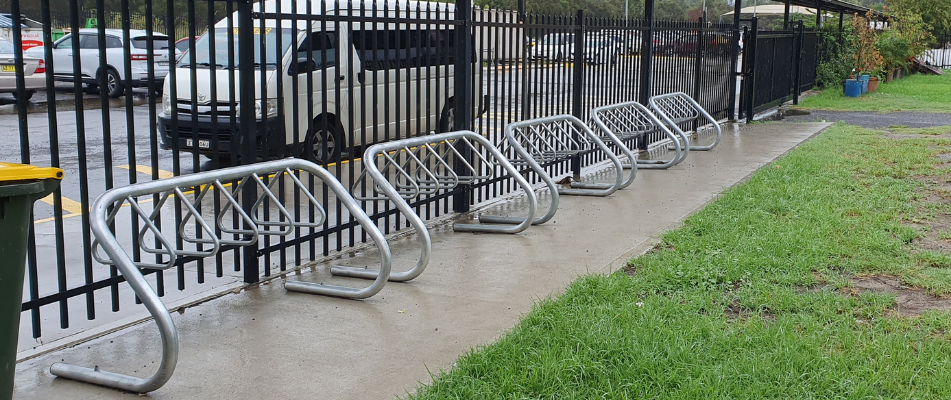
10. Organise bicycle storage
Bicycles left against walls, handrails or in pedestrian routes can create clutter and trip hazards.
Installing bike racks gives employees and visitors a designated storage location while helping keep paths, entrances and emergency-access areas clear.
Wall-mounted and compact bike racks can also suit facilities where space is limited.
Small safety improvements can make a real difference
Businesses do not always need to wait for a full redevelopment to improve workplace safety.
Focusing on specific hazards can help make an existing site safer and easier to manage within a relatively modest budget.
Area Safe supplies a wide range of workplace, warehouse and car park safety products and can help identify suitable options for your facility.
