

 Speed of Service
 Easy Systems
 Product Designers & Developers
 Car Park Protection




 Industrial Safety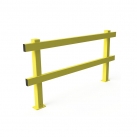



 Pedestrian Barriers


 Matting, Ramps & Tactiles
 Signage & Safety



 Urban Furniture
Top 5 Pedestrian Safety Mistakes Facilities Make (and How to Fix Them)
Pedestrian safety issues rarely come from one big, obvious failure. More often, they build up over time. A delivery route changes. Vehicle movements increase. A “temporary” solution sticks around longer than planned. Before long, people and vehicles are sharing space in ways that were never really thought through.
Across warehouses, car parks, schools, hospitals and public facilities, we tend to see the same problems come up again and again. The encouraging part is that most of them are easy to fix once you stop and take a proper look at how the site actually operates day to day.
Here are the most common pedestrian safety mistakes we see (and what we recommend to address them).
1. Pedestrians and Vehicles Aren’t Properly Separated
This is the most common issue we see.
People and vehicles are expected to operate in the same space, relying on awareness, eye contact or “everyone knowing the rules”. In many cases, the site layout made sense years ago, but traffic volumes have increased and nothing has been adjusted to suit.
The risk here is obvious. Drivers are focused on manoeuvring vehicles. Pedestrians assume they’ve been seen. Near misses start to feel normal.
How to fix it
A good first step is a simple review of how pedestrians and vehicles actually move through the site. Where do they cross paths? Where are people forced to walk through active traffic areas?
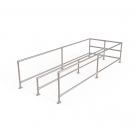
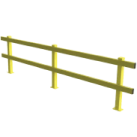
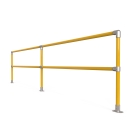
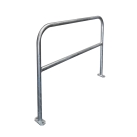
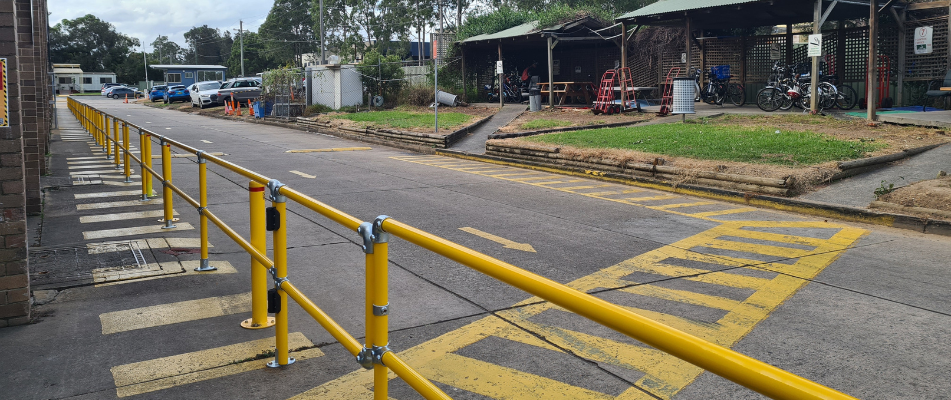
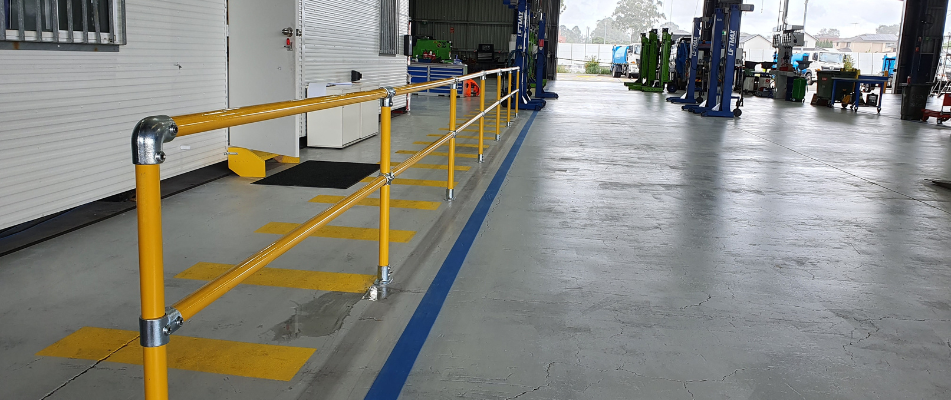
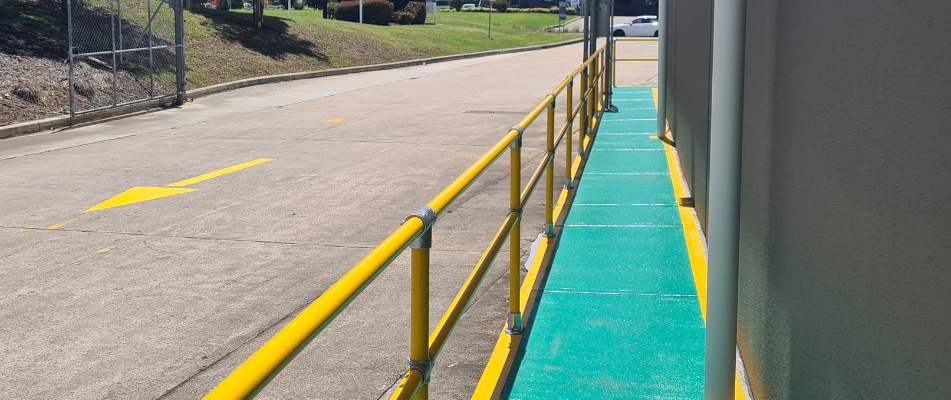
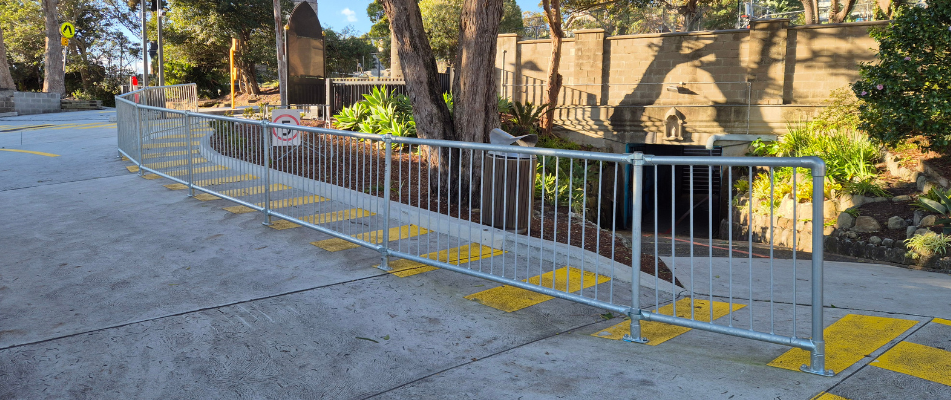
Once those points are identified, physical separation makes a real difference. Barriers, railings or bollards create clarity and remove uncertainty. People know where they should be, and drivers know where they shouldn’t be.
In a recent project for Interface Australia, tailored safety barriers were implemented to manage pedestrian movements around vehicle and delivery zones, successfully reducing conflict points and helping the facility operate more smoothly and safely.
2. Using Signage as the Only Control
Signage has its place, but it’s often expected to do too much.
Many facilities rely heavily on warning signs to manage pedestrian risk. Over time, those signs become part of the background. In busy environments especially, people stop noticing them altogether.
How to fix it
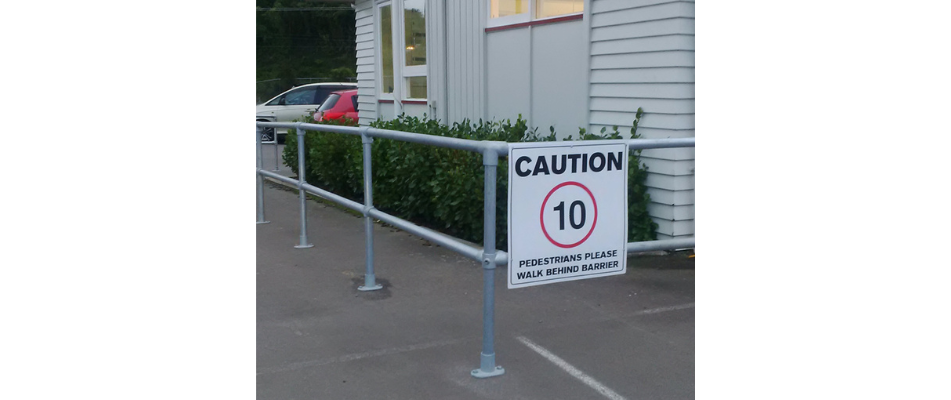
Signage works best when it supports other controls, not when it’s doing all the heavy lifting. Physical protection, clearly defined walkways and speed management should come first. Signs then reinforce the message and help guide behaviour, particularly at decision points like crossings or entry areas.
When signage is combined with physical measures, it’s far more effective.
3. Barriers That Are Poorly Positioned
Installing barriers is a positive step, but placement matters.
We often see barriers that start too late, end too early, or protect equipment rather than people. In some cases, they even push pedestrians into less safe areas because the route doesn’t quite make sense.
How to fix it
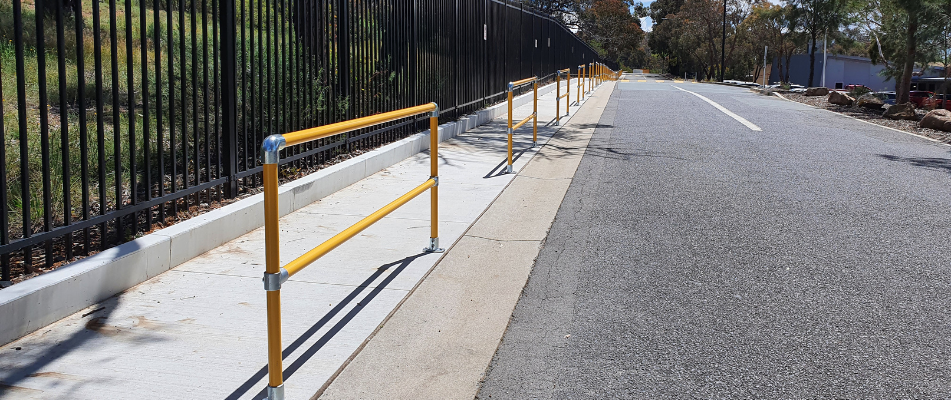
The best way to avoid this is to observe how the site is actually used. Watch where people walk, where they naturally slow down, and where they hesitate. Barriers should guide pedestrians well before they reach a high-risk area and continue until they’re clearly out of danger.
When barriers are positioned properly, people follow them instinctively. There’s no confusion about where they should be walking.
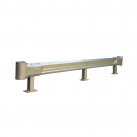
For example, at DGL Manufacturing in St Mary’s, Area Safe installed a combination of recessed rail barriers, pedestrian safety railing and guardrail systems that clearly define safe walkways and protect people from forklifts and warehouse vehicles, enhancing safety without disrupting operations.
4. Treating Temporary Hazards as Low Risk
Temporary works are often where safety controls slip.
Maintenance zones, deliveries or short-term changes to site layouts are sometimes left with minimal protection because they’re “only for a few days”. In reality, temporary setups often last much longer than expected.
From a pedestrian safety point of view, a temporary hazard is still a hazard. If vehicles are moving differently, or if walkways are disrupted, that risk needs to be managed straight away.
How to fix it
Portable or expandable barrier systems are useful here. They can be installed quickly, adjusted as needed, and removed when the work is done, without leaving pedestrians exposed in the meantime.
5. Not Reviewing Safety as the Site Evolves
One of the biggest mistakes is assuming that a safety setup will always remain suitable.
Sites change. Operations expand. Traffic patterns shift. What worked a few years ago may no longer reflect how the space is being used today.
How to fix it
Regular reviews don’t need to be complicated. Simply reassessing pedestrian routes when layouts change, new equipment is introduced or vehicle movements increase can highlight issues early. Small adjustments made at the right time can prevent much larger problems later on.
Pedestrian safety works best when it’s treated as something that evolves with the site.
Area Safe offer free onsite safety audits to provide personalised support and recommendations. You can book yours HERE.
A Practical, Layered Approach to Pedestrian Safety
The safest facilities don’t rely on a single solution. They use a combination of clear route planning, physical separation, speed control, supportive signage and regular review.
At Area Safe, we work with facilities to help identify pedestrian risks in real-world environments and put practical controls in place that suit how the site actually operates.
If you haven’t looked at your pedestrian safety setup for a while, a simple review can be a valuable place to start — especially before a near miss turns into an incident. Don’t forget to book your FREE safety audit today.
