
 Speed of Service
 Easy Systems
 Product Designers & Developers
 Car Park Protection




 Industrial Safety



 Pedestrian Barriers


 Matting, Ramps & Tactiles
 Signage & Safety



 Urban Furniture
Balancing Safety and Comfort: Speed Humps in Aged Care Facilities
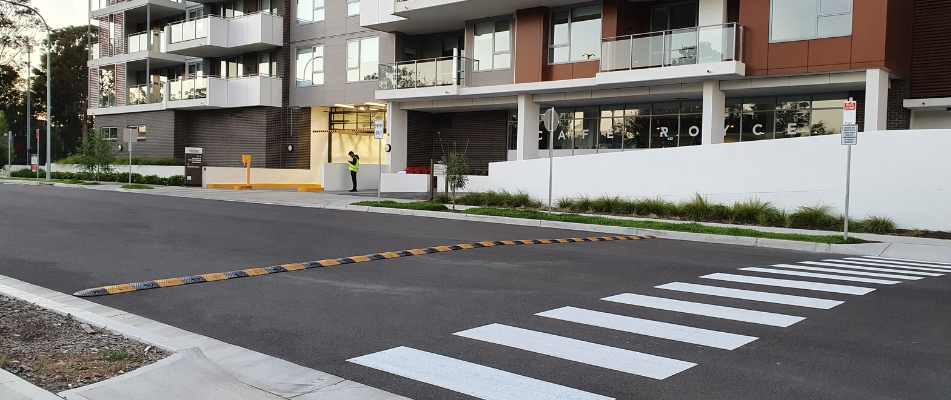
Nursing homes and aged care facilities have an important responsibility to provide a safe, comfortable and nurturing environment for their residents. This commitment extends beyond just indoor care and includes all aspects of residents' surroundings, including the facility's driveways and carparks.
Recently, there's been an increased discussion around the role of speed humps in enhancing safety. In this article, we delve into the benefits of speed humps and key considerations before installing them in an aged care context.
The Upside of Speed Humps
Speed humps are traffic calming devices designed to slow down vehicles, and they bring several benefits to aged care facilities:
- Enhanced Safety: Slower vehicle speeds significantly reduce the risk of accidents, particularly involving pedestrians. This is crucial in aged care settings where many residents may have limited mobility or cognitive impairments.
- Traffic Calming: Speed humps can discourage non-residential cut-through traffic and prevent reckless driving. This is especially beneficial for facilities located near busy roads or with large campuses.
- Pedestrian Protection: Given that many aged care residents use mobility aids like walkers or wheelchairs, speed humps serve as an extra protective measure by enforcing slower vehicle speeds.
Key Considerations Before Installation
While the advantages are clear, there are several factors that administrators should consider when planning the location and installation of speed humps:
- Emergency Vehicle Access: While speed humps slow down general traffic, they can also hinder emergency vehicles like ambulances or fire trucks. Careful planning should ensure that these vehicles can reach the facility quickly. This might include leaving certain routes clear or using speed cushions, which can slow cars but allow wider emergency vehicles to pass without delay.
- Pedestrian Accessibility: Speed humps should not pose an obstacle, particularly for pedestrians with limited mobility and wheelchair users. This can be mitigated by leaving a gap on the edge of the driveway that’s wide enough for wheelchairs and pedestrians to navigate safely.
- Noise and Comfort: Vehicles going over speed humps can create additional noise, which might disrupt the tranquillity of the care facility. For some residents with certain medical conditions, the physical "bump" when a vehicle passes over a speed hump might be uncomfortable or even harmful. Our Rubber Speed Calmer suits these situations perfectly, designed to calm traffic to safer speeds without over emphasising the 'bump'.
- Visibility and Signage: Speed humps must be highly visible to prevent mishaps. This requires painting them with bright colours, adding speed hump warning signs, and ensuring appropriate lighting, especially for nighttime visibility.
- Maintenance and Cost: Quality matters when it comes to speed humps. Opting for high-quality, durable materials during installation can lessen wear and tear, reducing the frequency of replacement and making them more cost-effective in the long run. However, some level of maintenance will always be required, and budgeting for these additional costs is necessary. These may include tasks like repainting for visibility and regularly checking for damage.
In conclusion, the decision of where to install speed humps in aged care facilities should be taken after a thorough evaluation of both their benefits and potential drawbacks. It's important to remember that speed humps are just one aspect of a comprehensive traffic management strategy. Balancing the needs of safety and comfort, while keeping in mind the unique needs of aged care residents will ensure you continue to provide a nurturing environment for residents. If you’d like help in selecting and planning speed humps in your aged care facility, get in touch with our friendly team at www.areasafe.com.au.
