.png)

 Speed of Service
 Easy Systems
 Product Designers & Developers
 Car Park Protection







 Industrial Safety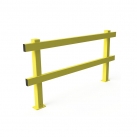






 Pedestrian Barriers



 Matting, Ramps & Tactiles



 Signage & Safety









 Urban Furniture
What Are the Pedestrian Walkway Requirements in Warehouses?


In warehouse environments where heavy machinery and foot traffic intersect, ensuring the safety of pedestrians is a top priority. So, what are the specific requirements for pedestrian walkways in warehouses?
To keep workers and visitors safe, pedestrian walkways must be clearly defined, properly maintained, and compliant with safety regulations. In this article, we’ll explore the key requirements that must be met to create safe and efficient pedestrian walkways in any warehouse setting.
Key Requirements for Pedestrian Walkways in Warehouses
1. Clear Demarcation Pedestrian walkways must be clearly marked to differentiate them from areas used by vehicles and machinery. This can be achieved using high-visibility line marking paint, durable floor markings, or barriers. The markings should be consistent throughout the warehouse and easily recognisable, even in areas with heavy traffic or poor lighting.
2. Adequate Width Walkways should be wide enough to allow pedestrians to move comfortably and safely, even when carrying tools or equipment. The minimum recommended width may vary depending on the volume of foot traffic and the specific layout of the warehouse. In areas where more than one person is expected to walk side by side, wider walkways are necessary. Area Safe recommends a minimum of 1000mm wide for all walkways.
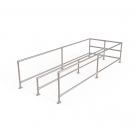
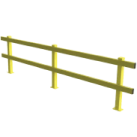
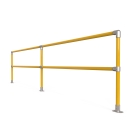
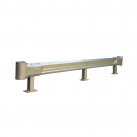
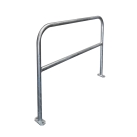
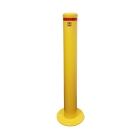
3. Separation from Vehicle Paths To minimise the risk of collisions, pedestrian walkways should be physically separated from vehicle paths whenever possible. This can be done using barriers, guardrails, or bollards . The separation ensures that forklifts, trucks, and other machinery do not encroach on pedestrian areas, reducing the risk of accidents.
4. Proper Lighting Adequate lighting is crucial for pedestrian walkways, particularly in warehouses that operate around the clock or in areas with limited natural light. Good lighting ensures that walkways are visible and that any potential hazards can be easily identified. This is especially important at crossing points and intersections.
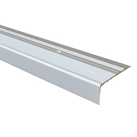
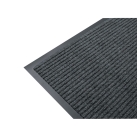
5. Non-Slip Surfaces The surfaces of pedestrian walkways should be non-slip to prevent falls, especially in areas prone to spills or where moisture is common. Using tactiles or anti-slip mats can enhance traction and reduce the likelihood of slips and falls..
6. Compliance with Safety Standards Pedestrian walkways in warehouses must comply with relevant safety regulations and standards, such as those set out by Work Health and Safety (WHS) guidelines in Australia. Compliance ensures that the walkways meet the minimum safety requirements and that the warehouse is not at risk of legal penalties.
A well-designed pedestrian walkway system in a warehouse is not just about compliance; it’s about protecting the lives and well-being of workers and visitors. Properly planned and maintained walkways contribute to a safer work environment, reduce the risk of accidents, and can even improve operational efficiency by clearly delineating safe zones for foot traffic.
For more information on warehouse safety products, including barriers, guardrails, and floor marking solutions, visit Area Safe's product range or contact our team at www.areasafe.com.au for expert advice on how to enhance safety in your warehouse.
